Why Jaguar's Controversial Rebrand May Be Smarter Than It Looks
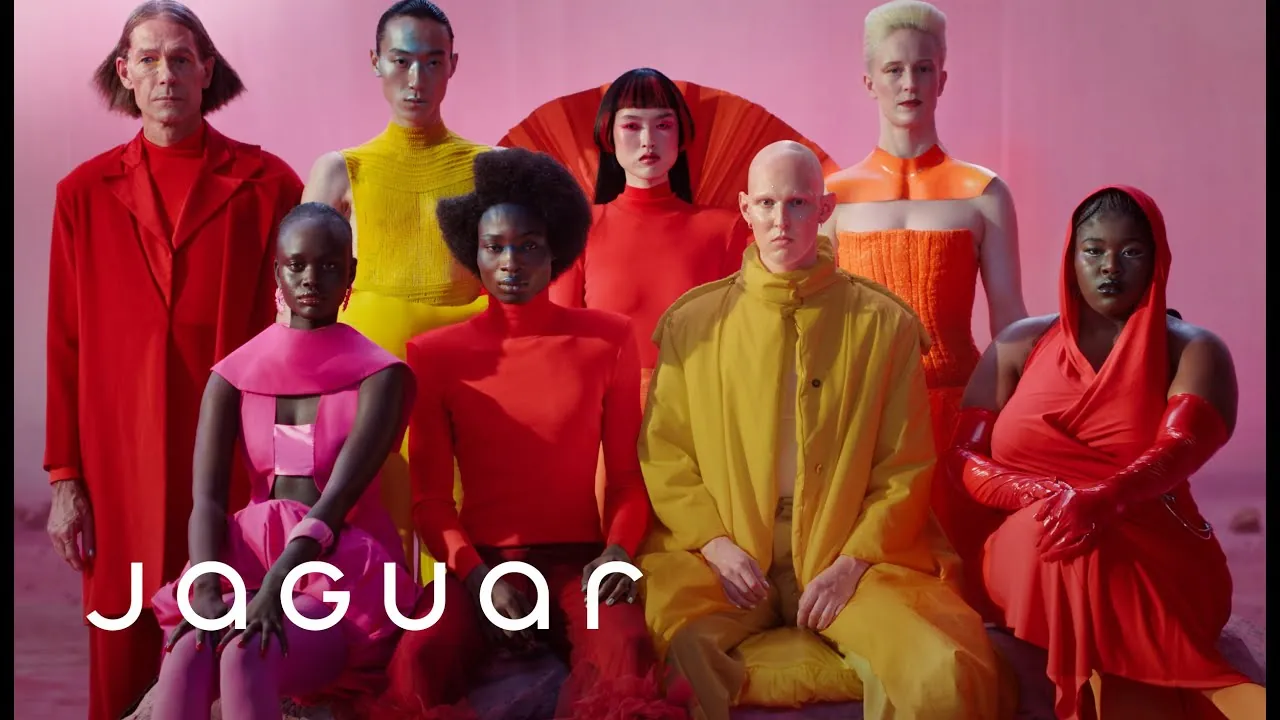 Pressing play loads the video from YouTube.
Image: Still from Jaguar's video on YouTube
When Jaguar unveiled its new brand identity in November 2024, the reaction was immediate and intense. Critics accused the iconic British carmaker of abandoning its heritage, while social media exploded with debates about the company's new direction. The 30-second teaser video—featuring androgynous models in vibrant outfits rather than actual vehicles—became a lightning rod for controversy.
At first glance, many interpreted the backlash as a marketing failure.
But what if the outrage is precisely the point?
In the Attention Economy, Indifference Is the Real Threat
Most brands spend millions trying to capture attention. Jaguar achieved it within days.
Within days, the campaign video drew more than 160 million views on social media, generating discussions far beyond the automotive industry. While many traditional enthusiasts criticized the company for moving away from its roots, their reactions helped amplify the campaign's visibility.
This highlights an uncomfortable truth about modern marketing: people rarely talk about brands that make them feel nothing.
In a world flooded with content, attention has become one of the most valuable resources. Whether the initial reaction is admiration, curiosity, or criticism, emotional responses create engagement. And engagement creates relevance.
The opposite of love is not hate—it is indifference.
Why the Reaction Became So Emotional
The intensity of the response cannot be explained by advertising alone.
For many long-time customers, Jaguar represents far more than a car manufacturer. The brand has historically stood for British elegance, performance, craftsmanship, and a certain sense of understated sophistication. Over decades, these associations became part of how customers perceived not only the brand but also themselves.
When a company radically changes its image, people often experience it as more than a business decision. They perceive it as a challenge to an identity they have emotionally invested in.
This is why major rebrands frequently trigger strong reactions. The debate is rarely about logos, colors, or advertising campaigns. It is about what people believe a brand should represent.
Jaguar's campaign touched exactly this nerve.
A Calculated Shift Toward Future Customers
The company's strategy appears less focused on retaining every existing fan and more focused on attracting future buyers. From 2026, Jaguar plans to sell only electric cars and reposition itself as an all-electric luxury brand.
The automotive market is undergoing a profound transformation. Electrification is reshaping not only vehicle technology but also consumer expectations. Younger generations tend to place greater emphasis on innovation, sustainability, brand values, and cultural relevance than previous generations.
For many of these consumers, Jaguar's racing heritage or historical prestige may hold little significance. The challenge is therefore not convincing people who already know the brand—it is becoming relevant to people who have never considered Jaguar in the first place.
The campaign reflects this ambition.
Rather than highlighting horsepower, performance figures, or nostalgic imagery, Jaguar chose to communicate a broader cultural identity. The message is clear: the company wants to be seen not merely as a car manufacturer but as a modern luxury brand entering a new era.
The Power—and Risk—of Polarization
Polarization is one of the most effective ways to generate attention, but it comes with significant risks.
A brand that takes a clear position becomes memorable. It gives people something to talk about and creates emotional associations that generic campaigns often fail to achieve. Younger audiences, in particular, tend to respond positively to brands with distinct identities and a willingness to challenge conventions.
However, attention alone is not enough.
The long-term success of Jaguar's strategy will depend on whether the conversation ultimately translates into brand preference, customer loyalty, and vehicle sales. Visibility may create awareness, but awareness does not automatically create demand.
The campaign has successfully captured public attention. The next challenge will be turning that attention into commercial success.
More Than a Rebrand
One of the most striking aspects of the campaign is that it barely focuses on cars at all.
For many critics, this was evidence that Jaguar had lost its way. Yet the decision appears deliberate. The company is attempting to signal a broader transformation rather than promote a specific product.
In doing so, Jaguar is communicating that it is not simply launching new vehicles—it is redefining what the brand itself stands for.
Whether consumers embrace this new identity remains to be seen. But the campaign has already accomplished one thing: it has made Jaguar relevant again in conversations where the brand had largely disappeared.
The Bigger Lesson for Brands
Jaguar's rebranding offers a broader lesson about modern marketing.
Brands often strive to be liked by everyone. In reality, this frequently results in being remembered by no one.
The most influential brands are rarely those that generate universal approval. They are the ones that create clear associations, evoke emotions, and give people something worth discussing.
Jaguar may ultimately succeed or fail in its transformation. But the campaign demonstrates a principle that many companies still underestimate: in a crowded marketplace, being ignored is often more dangerous than being criticized.
The controversy surrounding Jaguar is therefore not necessarily a sign of weakness. It may be evidence that the brand has achieved exactly what it set out to do—force people to pay attention.

Lucas Bareis, Account Manager at Serviceplan Suisse in Zürich. Writes about strategy, customer journeys, SEO/GEO and digital ethics, with a background in media management and a master's degree in philosophy.